
Architect of Public Health: How Dr. Abdul Rasheed Jamali Built a Legacy of Healthcare Excellence in Balochistan
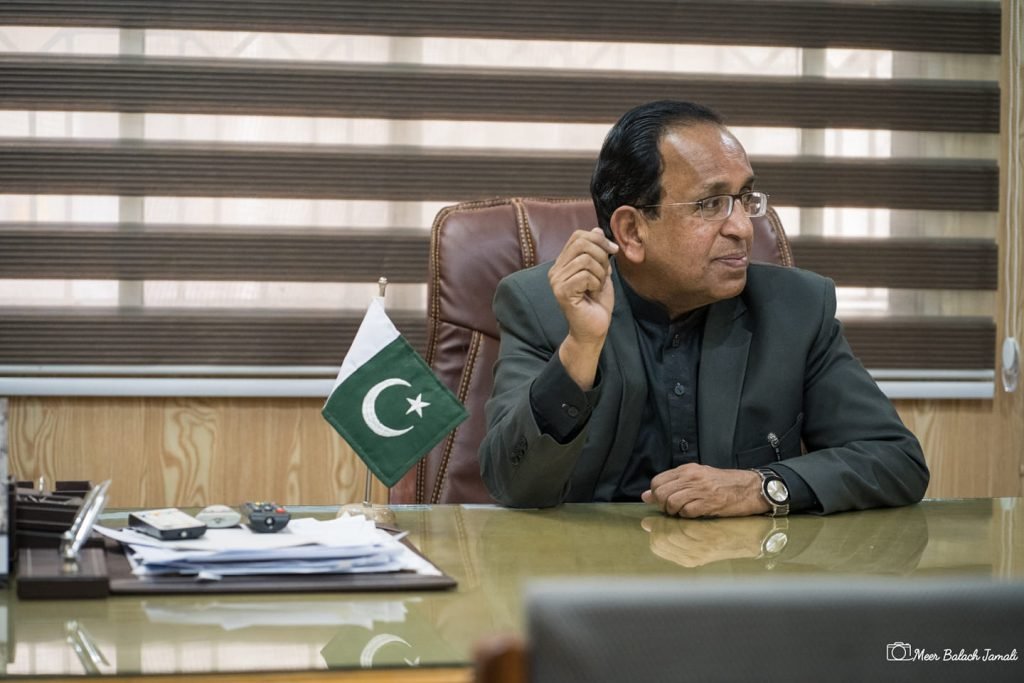
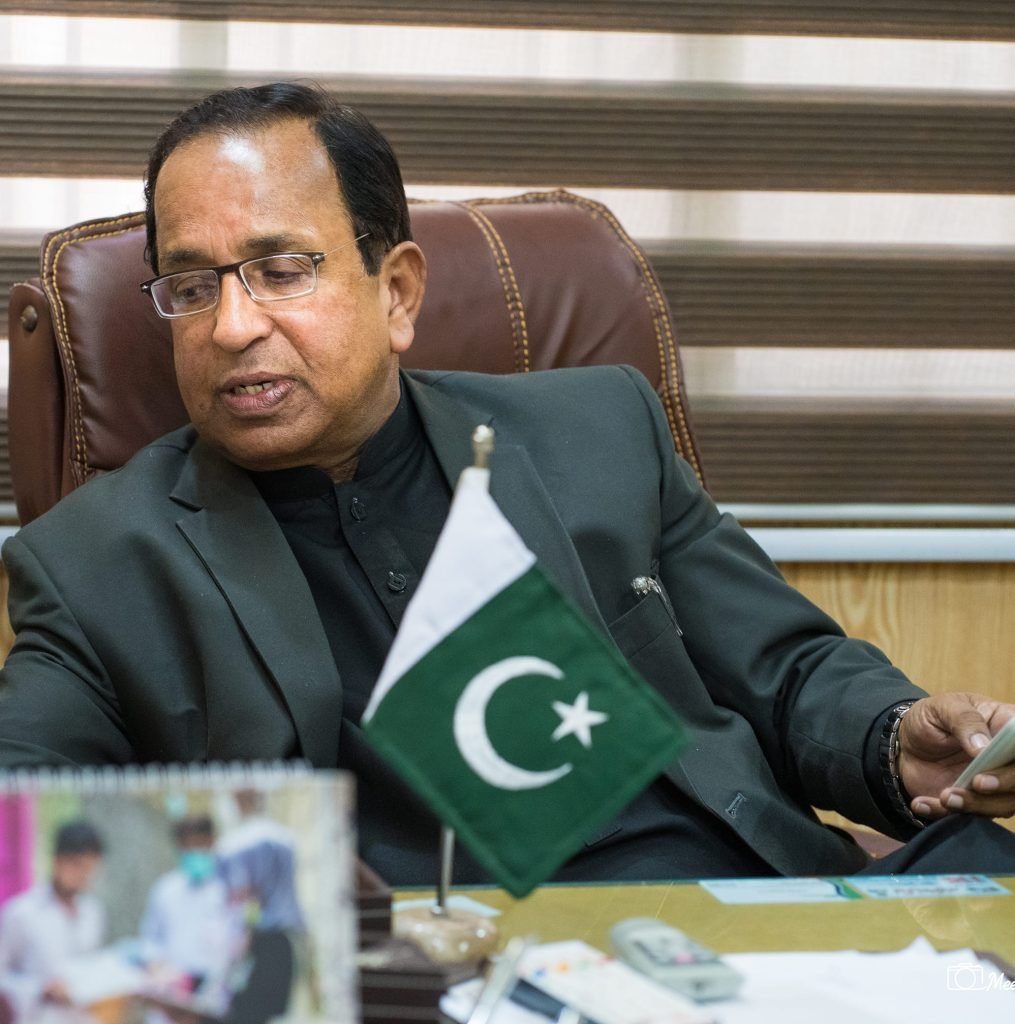
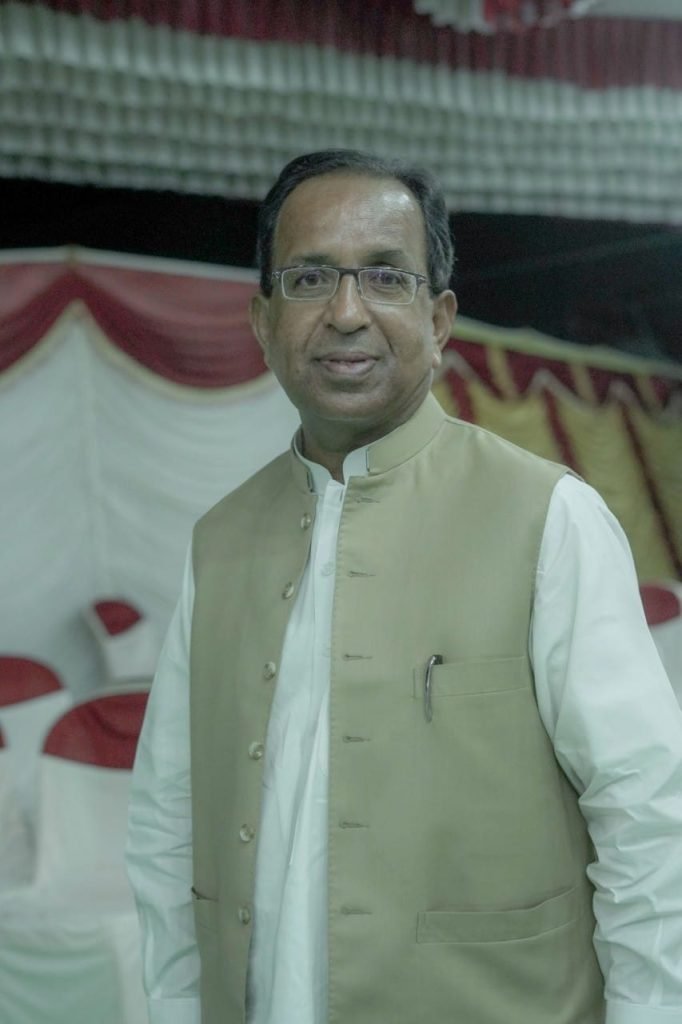
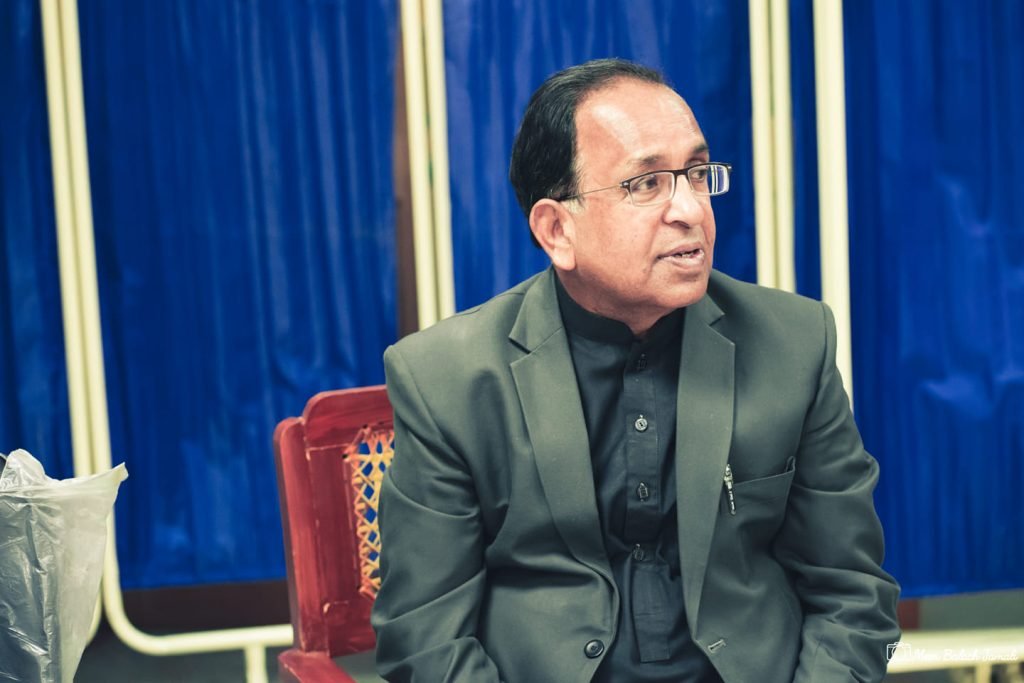
In a region where healthcare challenges often demand extraordinary personal sacrifice, real impact is forged by those who dedicate their lives to institutional reform. Among Balochistan’s most distinguished medical leaders is Dr. Abdul Rasheed Jamali, an eminent physician, seasoned medical administrator, and former Medical Superintendent. In an exclusive profile featured on Balochistan Stars, Dr. Jamali’s narrative offers a masterclass in resilience, selfless service, and public health transformation—tracing his journey from a remote village childhood to fortifying the province’s tertiary healthcare infrastructure during unprecedented global health crises.
Overcoming Adversity: The Journey to Medical Merit
Dr. Jamali’s roots trace back to Nasirabad—a region historically starved of basic municipal infrastructure. Raised by a father who operated a modest shop earning just 500 rupees, his family faced severe economic constraints. However, recognizing education as the ultimate equalizer, his father prioritized academic pursuits above all else.
In 1978, Dr. Jamali moved to Quetta independently to enroll in Islamia High School. Lacking financial resources for conventional transport, he regularly walked long distances or hitched rides on cargo trucks travelling toward Shahdadkot.
He continued his education at Government Degree College Quetta, residing in frugal hostel conditions. Living with minimal amenities—cooking meals from raw agricultural produce gathered in nearby fields and washing clothes in irrigation canals—his discipline produced exceptional results. He secured the 4th position overall in his district merit rankings, earning a coveted seat at Bolan Medical College (BMC), Quetta.
“When you emerge from absolute hardship, medicine is never a commercial enterprise—it becomes an unyielding pledge to alleviate the suffering of those left behind.” — Dr. Abdul Rasheed Jamali
Reengineering District Healthcare: The Dera Murad Jamali Transformation
Upon graduating and completing early clinical assignments at Civil Hospital Quetta, Dr. Jamali was appointed Medical Superintendent at Dera Murad Jamali Hospital. He inherited a single-room facility struggling to deliver basic care to a growing population. Over a transformative seven-year tenure, he spearheaded a complete institutional overhaul:
- Specialized Surgical Infrastructure: Mobilizing government funds and community partnerships, he constructed three distinct Operation Theaters (OTs) to separate general surgeries, emergency interventions, and high-risk cases, drastically reducing cross-infection rates for endemic conditions like Hepatitis.
- Human Capital Development: To resolve the severe scarcity of female healthcare providers, he facilitated two-year specialized clinical training programs in Karachi and Quetta for local female doctors, establishing the district’s first dedicated Gynaecology department.
- Paramedical Training Networks: He sponsored local nursing and paramedic staff for advanced training across major medical centers in Karachi, building a sustainable, native healthcare workforce.

Unwavering Public Service: A Career Without Commercial Compromise
In an environment where private medical practice frequently competes with public duties, Dr. Jamali established a rare standard of professional ethics. Throughout his decades-long career, he refrained entirely from private practice, choosing instead to devote 14 to 16 hours daily strictly to public state hospitals.
“The four or five hours a doctor spends running a private clinic belong to the destitute patients waiting in public hospital wards—people who often borrow bus fare just to reach Quetta for treatment.” — Dr. Abdul Rasheed Jamali
Frontline Crisis Leadership during COVID-19
Dr. Jamali’s administrative expertise proved essential during his tenure at Bolan Medical Complex (BMC) Hospital in Quetta during the peak of the COVID-19 pandemic. Collaborating closely with senior faculty and health department officials, he directed crucial emergency infrastructure builds:
- Healthcare Provider HDU: Established a specialized 11-bed High Dependency Unit (HDU) ICU dedicated strictly to protecting frontline medical workers and their immediate families.
- Advanced Isolation Complex: Designed and built a state-of-the-art 30-bed isolation facility integrated with high-flow oxygen, advanced monitors, and dedicated ventilators.
- Permanent Institutional Assets: Engineered these emergency installations so that post-pandemic, they permanently transition into state-of-the-art respiratory and critical care wards accessible to the general public free of charge.
A Vision for the Next Generation of Physicians
Reflecting on the future of medicine in Pakistan, Dr. Jamali calls upon young medical graduates to pursue rigorous post-graduate specializations while preserving deep empathy for underserved populations. He urges the incoming generation of healthcare professionals to treat marginalized patients with utmost dignity and safeguard public health resources as a sacred trust.
Through decades of visionary leadership, infrastructure development, and principled public service, Dr. Abdul Rasheed Jamali stands out as a true pillar of healthcare in Balochistan—embodied as an enduring inspiration for the entire nation.
Reference Source Video: Dr. Abdul Rasheed Jamali | Personality of Balochistan | Balochistan Stars
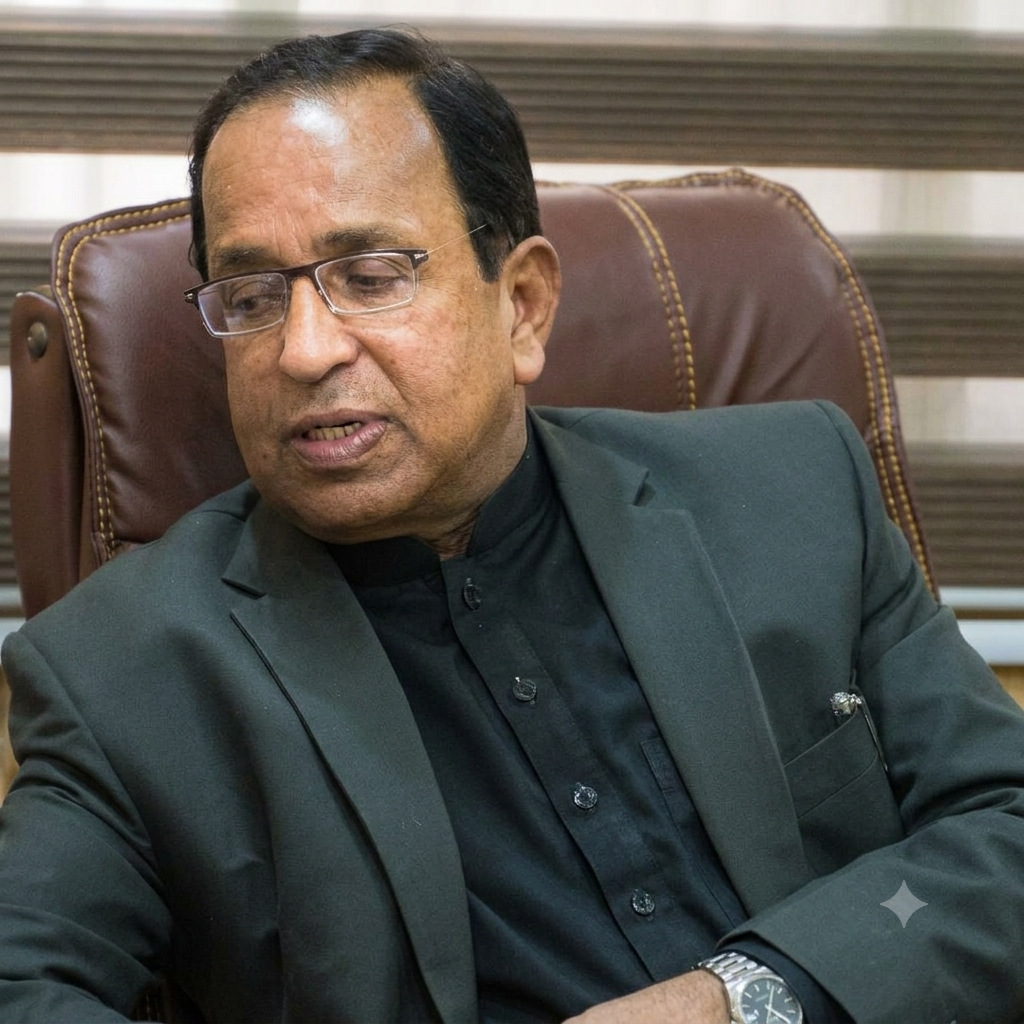
FEATURED GUEST
Dr. Abdul Rasheed Jamali
Former Medical Superintendent & Public Health Pioneer
Balochistan Stars highlights Dr. Abdul Rasheed Jamali, a veteran medical administrator who overcame severe poverty to transform healthcare infrastructure across Balochistan. Discover his inspiring journey of selfless public service, hospital development, and frontline crisis leadership.