
Akhtar Channal Zehri | International Folk Singer
The Voice of the Desert: The Untold Journey of Akhtar Channal Zehri
By Ahmed Jahangeer Khan
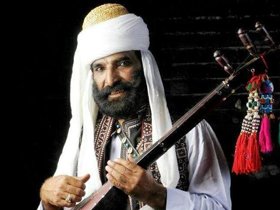
Every land has a voice—a sound that carries the weight of its mountains, the silence of its deserts, and the soul of its people. For Balochistan, that voice belongs to Muhammad Akhtar Channal Zehri. Long before his soul-stirring folk melodies resonated across global arenas, he was simply a boy traversing rugged landscapes, chasing broad horizons with dreams far larger than the sparse opportunities surrounding him.
Roots, Lineage, and Identity
Though his family’s ancestral roots trace back to Sohrab Sir Jungle, his grandfather eventually settled the family in the historic valley of Kalat, where Akhtar Channal was born.
His name itself reads like a testament to his values, heritage, and identity:
- Muhammad signifies a deep, unwavering devotion to the Prophet (PBUH).
- Channal connects him intimately to his community and caste.
- Zehri grounds him firmly in the proud traditions of his tribe.
Born into modest circumstances, young Akhtar spent his early years balancing his education with the demands of survival. His father, Jummah Khan, served as a modest warden in the police department. To ease his father’s burdens, Akhtar worked as a young shepherd—tending livestock under the open sky while silently bearing the hopes and aspirations of his family.
The Turning Point: Discovering the Melody
Despite financial hardships and frequent family relocations—from Kalat to Loralai, Khuzdar, and eventually Mastung in 1963—Akhtar’s passion for learning never wavered. He stepped into a formal classroom in 1959 and clung to his studies through every transition.
However, it was in Mastung that destiny intervened.
It was there that he was first introduced to the rich tradition of musical mehfils—intimate social gatherings where folk bards captivated crowds with poetry and song. Living nearby was Ustad Haji Khan, a legendary regional singer and a close friend of Akhtar’s father. Recognizing a rare, latent talent in the young boy, Ustad Haji Khan persuaded Jummah Khan to allow Akhtar to accompany him to evening performances.
Stepping into those musical gatherings, Akhtar found his calling. What began as quiet observation soon transformed into performance, culminating in his very first public appearance on stage at a concert in Mastung.
Balancing Duty and Destiny
Life, however, demanded practical stability. In 1964, Akhtar married in Mastung, and by 1968, he followed in his father’s footsteps by joining the Police Department. Yet, even while donning the uniform, the music inside him refused to be silenced. Wherever his police postings took him—including a stint in Sibi in 1970—he continued to perform at local gatherings, steadily building a devoted local following.
A two-month leave back to his homeland of Kalat marked the beginning of his rise to national prominence. Welcomed warmly by friends and well-wishers, he successfully arranged a transfer back to Kalat. By the early 1970s, his extraordinary vocal range and infectious energy could no longer be contained within regional borders:
- 1973: He recorded his debut song, “Zebal-Ata-Zeba,” for Radio Pakistan.
- 1974: He made his television debut on PTV with the track “Deer Deer Kewa.”
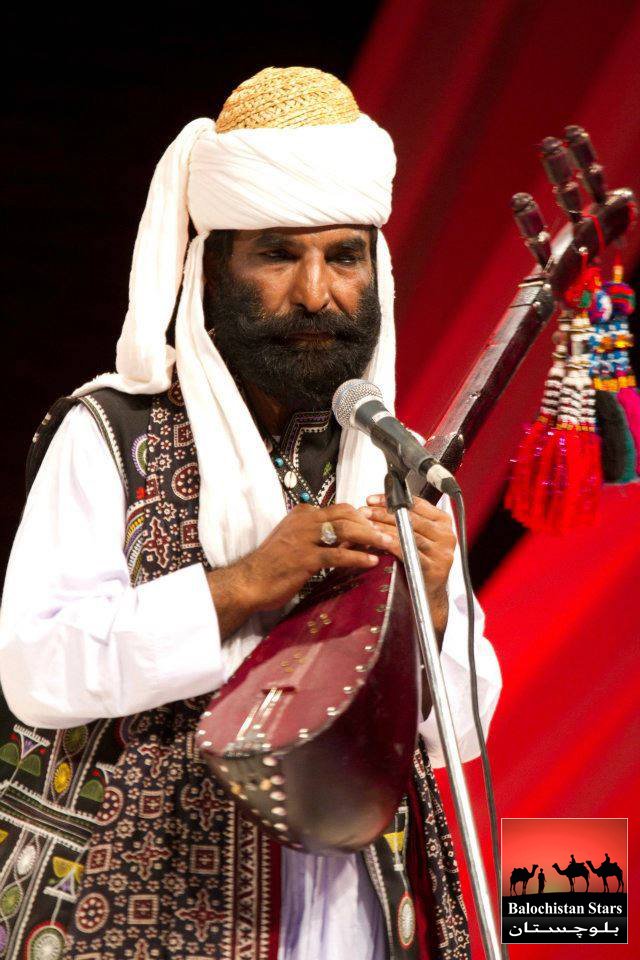
Seeking to master the formal discipline of his craft, his close friend Talib Hussain advised him to study classical instrumentation. Akhtar began learning the harmonium under the rigorous tutelage of Ustad Sadiq Ali, an experience that refined his raw folk power into timeless artistry.





The Birth of a Legend: Dana Pa Dana
By 1978, the call of music had become undeniable. Conscious that his true purpose lay in preserving and elevated folk culture, Akhtar retired from the police force to commit fully to his art.
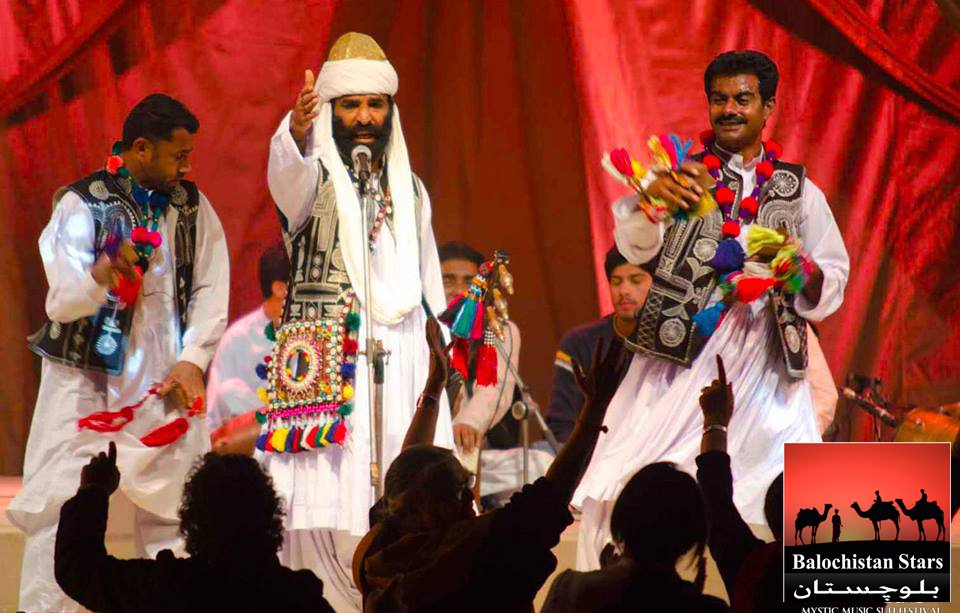
Shortly thereafter, he released the iconic anthem “Dana Pa Dana.” The track exploded across the cultural landscape, becoming an instant classic that transcended linguistic and regional boundaries. To this day, its infectious rhythm and celebratory spirit remain etched into the national consciousness.
Global Recognition and Legacy
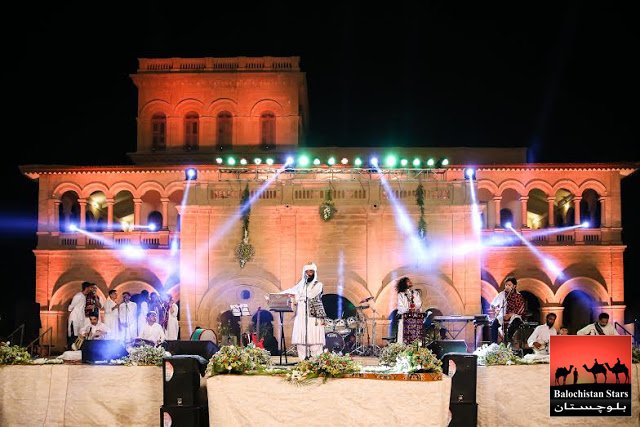
Akhtar Channal Zehri evolved from a local shepherd into a global cultural ambassador for Pakistan, bringing the rich heritage of Balochistan to international stages:
- 1991: United States of America
- 1993: The Netherlands
- Subsequent Tours: Europe, England, and Japan
His extraordinary contributions to music and culture have been recognized with numerous prestigious honors:
- Pride of Performance (1998): Awarded by the President of Pakistan, Rafiq Tarar.
- Radio Pakistan Golden Anniversary Award
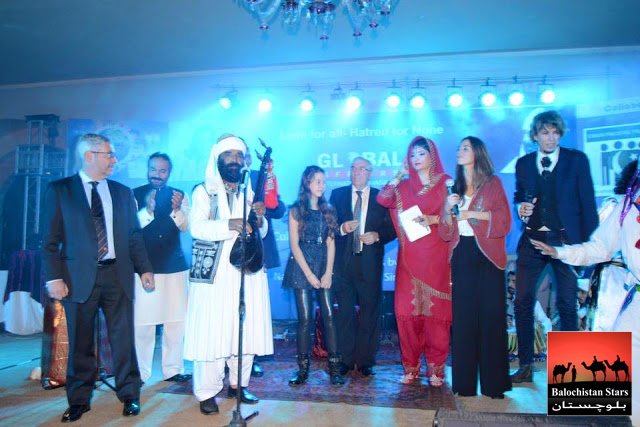
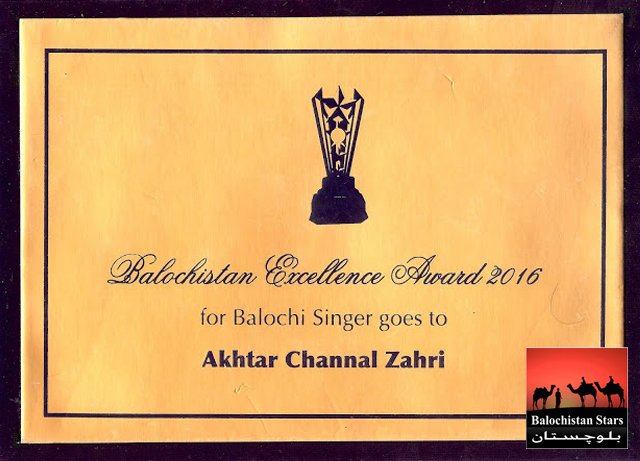
- Balochistan Excellence Award & National Excellence Award
- International Acclaim: Honored with the Sufi International Award, the Turkey Cultural Award, and a special commendation in France presented by the Mayor of Lyon.
An Unbroken Legacy
The journey of Akhtar Channal Zehri is more than a story of musical success; it is a profound saga of resilience, humility, and raw talent. From the quiet pastures of Kalat to the grandest concert halls of the world, he carried the soul of his homeland in his voice—proving that true artistry knows no boundaries, and that a dream born in poverty can echo across the world
FEATURED GUEST
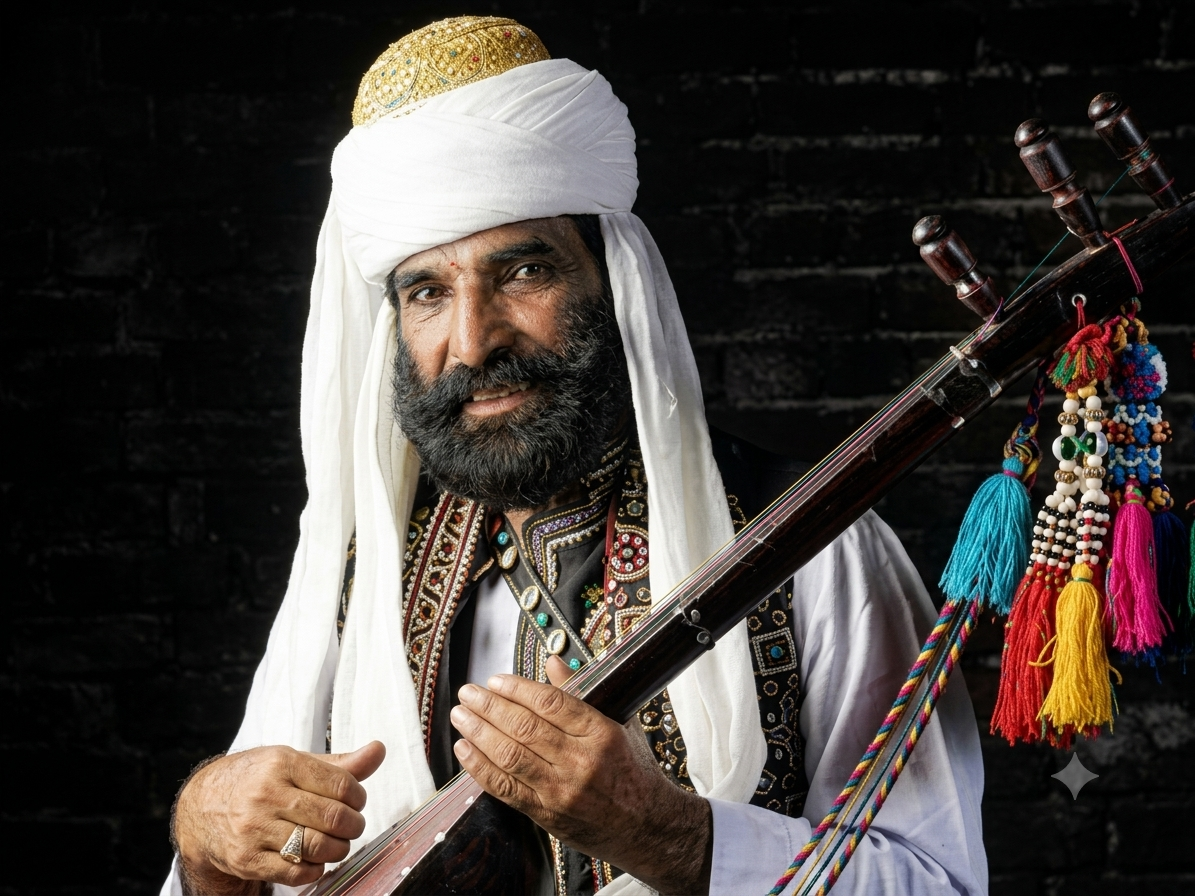
Akhtar Channal Zehri
Balochistan’s Legendary Folk Singer & Cultural Ambassador
Muhammad Akhtar Channal Zehri is a legendary Pakistani folk singer and Pride of Performance recipient from Balochistan. From a humble shepherd to a global cultural ambassador, his iconic voice and timeless anthems like "Dana Pa Dana" have brought regional music to the world stage