
Batool Assadi
Breaking Barriers in Administration: The Remarkable Journey of Batool Asadi
By: Ahmed Jahangeer Khan
“Destiny is not a matter of chance; it is a matter of choice. It is not a thing to be waited for, it is a thing to be achieved.”
True leadership often emerges when personal ambition aligns with a higher purpose. For Batool Asadi, path-breaking administrative service was not just a career goal—it was a calling. Hailing from the picturesque valley of Quetta, Balochistan, she stands today as a pioneering civil servant, educator, and an enduring symbol of women empowerment in public governance.
Scholastic Foundations: A Divergent Academic Path
Born on February 27, 1985, Batool’s educational journey was marked by versatility and intellectual curiosity. She completed her matriculation at FG School and intermediate studies at Bahria College.
Initially pursuing a Doctor of Pharmacy (D. Pharmacy) degree at the University of Balochistan, she soon recognized that her true inclination lay in the humanities and communication. Pivoting with conviction, she went on to earn a Master’s Degree in English Literature from Sardar Bahadur Khan (SBK) Women’s University, laying a strong analytical foundation for her future endeavors.
The Turning Point: From Higher Education to Civil Service
Batool began her professional life in 2009 as a Lecturer at BUITEMS, nurturing young minds and pursuing her passion for teaching. Driven to expand her horizon, she was initially preparing to travel abroad to pursue a PhD.
However, a pivotal conversation with her husband—her closest confidant and biggest supporter—changed her trajectory. Recognizing her latent potential for high-impact public service, he encouraged her to attempt the Civil Services Examination (CSS).
Accepting the challenge, Batool appeared for the prestigious exam. Demonstrating extraordinary focus, she not only passed on her very first attempt but topped the competitive examination in her region, earning an elite allocation in the Pakistan Administrative Service (PAS) (formerly DMG).







Returning to Her Roots: Choosing Impact Over Comfort
Upon joining the service, Batool was initially posted as an Assistant Commissioner in Punjab. While the administrative exposure was invaluable, she soon realized that Punjab’s well-developed infrastructure offered limited scope for transformative change.
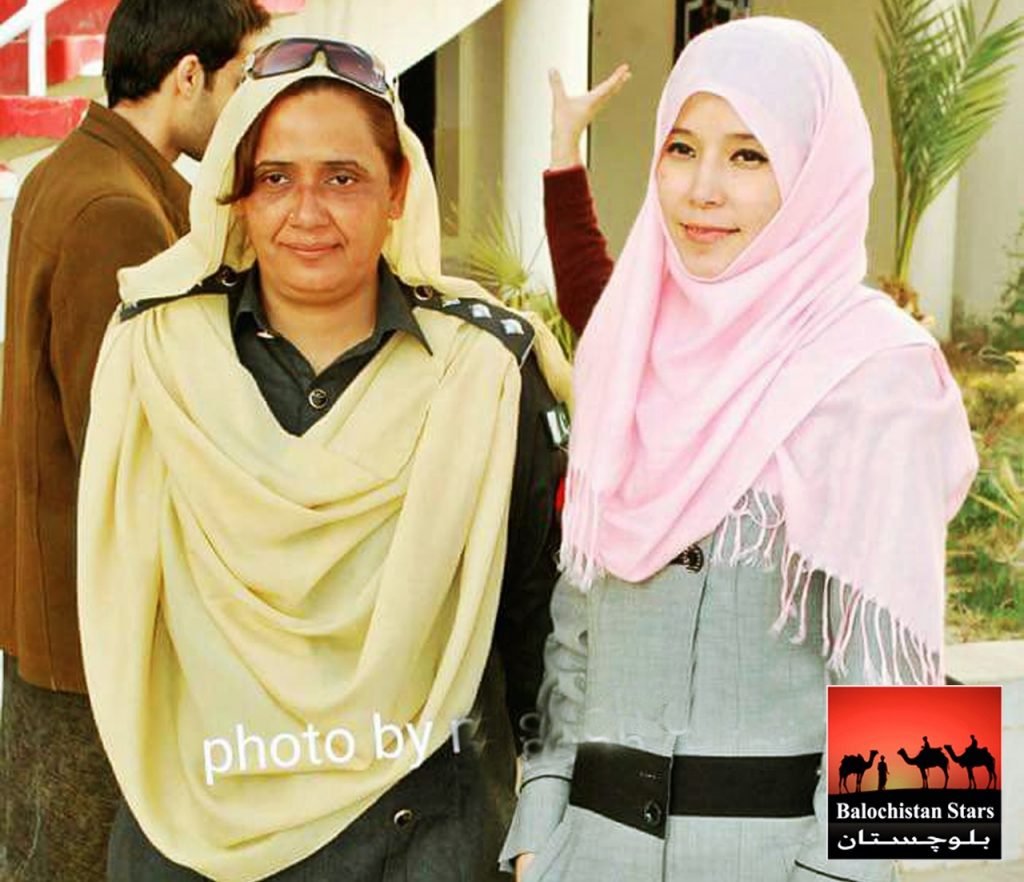
Guided by a desire for meaningful impact and personal fulfillment, she made the conscious decision to return home. She stepped forward to serve her native city, making history as Quetta’s first female field Assistant Commissioner.
Empathy in Governance and Community Service
As a field officer, Batool redefined public accessibility. Removing traditional bureaucratic barriers, she established an open-door policy—ensuring that marginalized citizens, particularly women, could directly approach her for redressal without hesitation. Her administrative approach is rooted in absolute impartiality, serving communities free from religious or ethnic bias.
Alongside her official duties, she continues to honor her passion for education:
- Mentorship & Coaching: Serves as a key resource person and motivational speaker for CSS and PCS aspirants at the SEERS Institute Quetta.
- Advocacy for Youth & Women: Regularly conducts guidance sessions encouraging young women to break traditional molds, pursue competitive exams, and actively contribute to nation-building.
Vision and Message for the Future
Grounded in her faith and guided by the timeless principles of the Prophet Muhammad (PBUH), Batool views public office as a platform for selfless duty.
Her life’s message to the youth of Pakistan encapsulates her philosophical outlook:
“A life truly worth living is one dedicated to a sublime cause. Live to serve others selflessly, beyond discrimination, and have the courage to dream big for your society.”
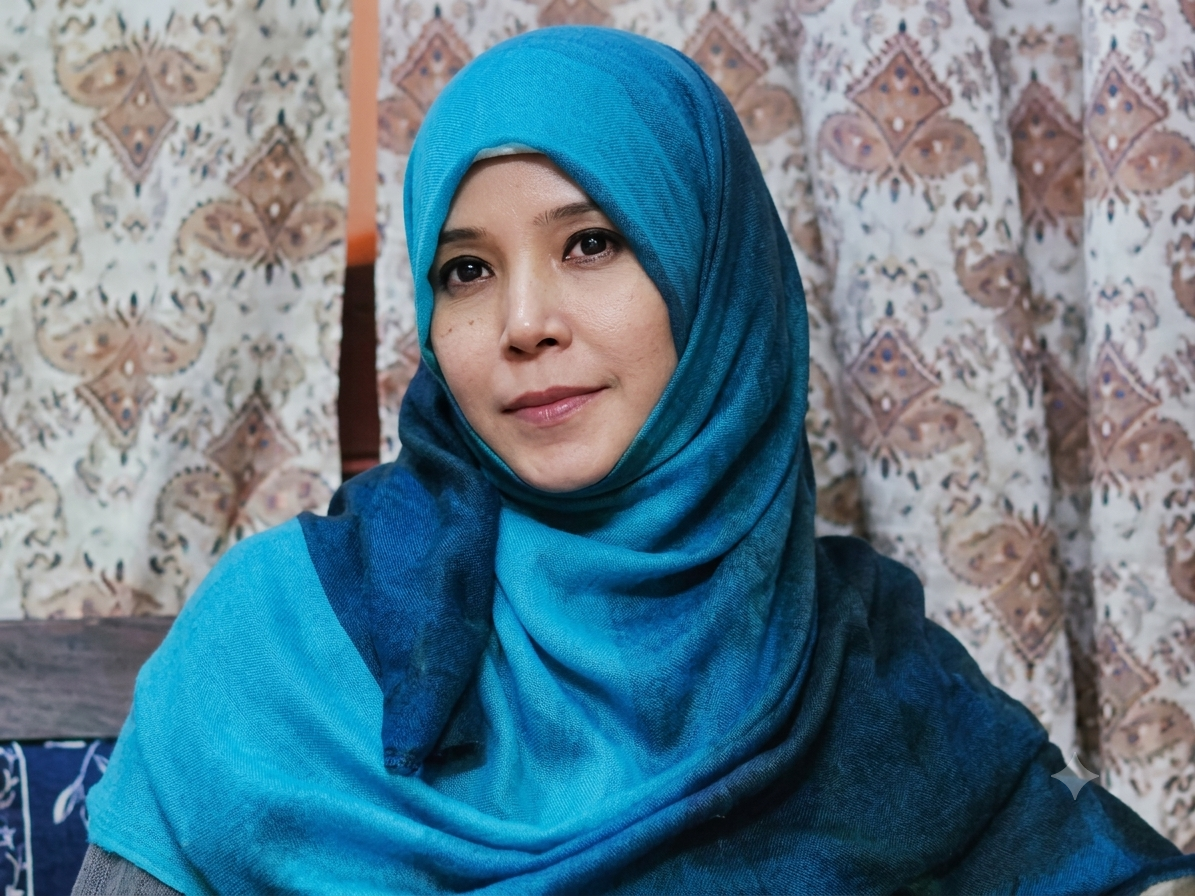
FEATURED GUEST
Batool Assadi
Pakistan Administrative Service (PAS) Officer
Read the inspiring story of Batool Asadi (PAS), who broke barriers to become a pioneering female civil servant in Balochistan. Learn how she chose impact over comfort to reform public administration and mentor the next generation