
Preserving the Unseen: Mayen Khan’s Crusade for Balochistan’s Fragile Wildlife
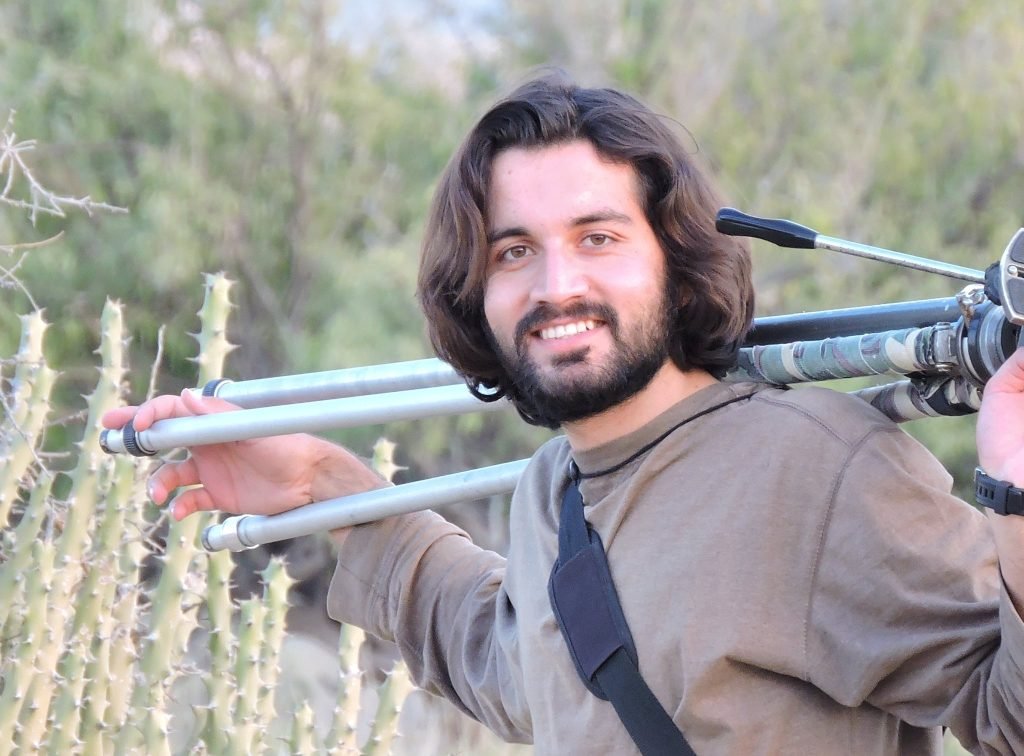
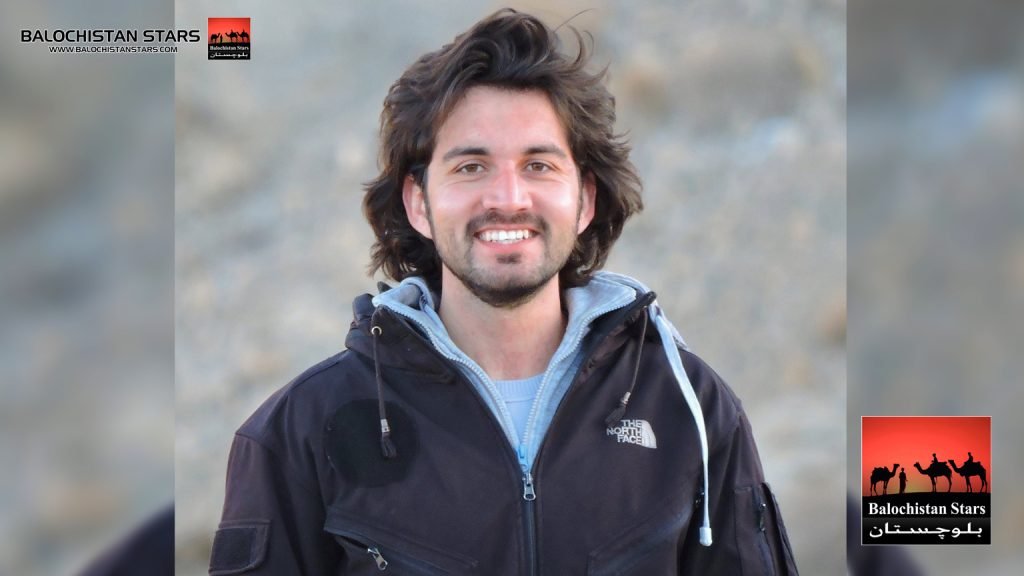
In the rugged, vast, and often misunderstood terrain of Balochistan, a quiet revolution is taking place. While the province is frequently recognized for its sweeping landscapes and rich mineral reserves, its delicate biodiversity—ranging from high-altitude ungulates to elusive apex predators—remains largely invisible to the outside world. Championing the cause to protect this natural heritage is Mayen Khan, a wildlife photographer, environmental activist, and researcher who has dedicated over six years to documenting and safeguarding Balochistan’s imperiled species.
From the Culture of the Hunt to Visual Advocacy
Mayen Khan’s passion for wildlife was forged in an unusual setting. Growing up in Balochistan, where firearms are deeply ingrained in local tradition, he spent much of his youth in the company of traditional hunters. However, close observation of these hunting practices revealed systemic issues: widespread violation of hunting regulations, indiscriminate poaching during off-seasons, and the hunting of juvenile animals and females.
Recognizing that direct enforcement was often impractical—since illegal hunting remains a challenge even in developed nations—Mayen turned toward visual storytelling in 2014.
“You cannot physically stop everyone from hunting, but you can inspire and educate them through photography. When people see the true beauty of these species, a sense of empathy and guardianship begins to build.” — Mayen Khan


Catalyzing Awareness: Key Milestones
To bridge the awareness gap between the general public and academia, Khan initiated several impactful projects:
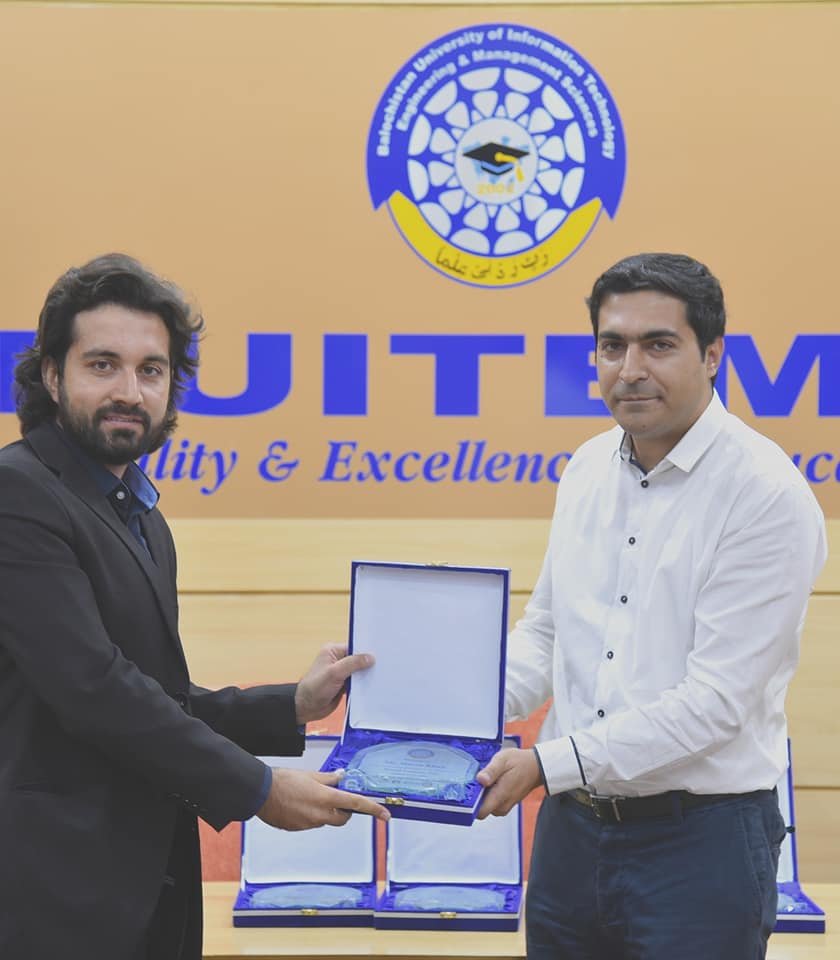
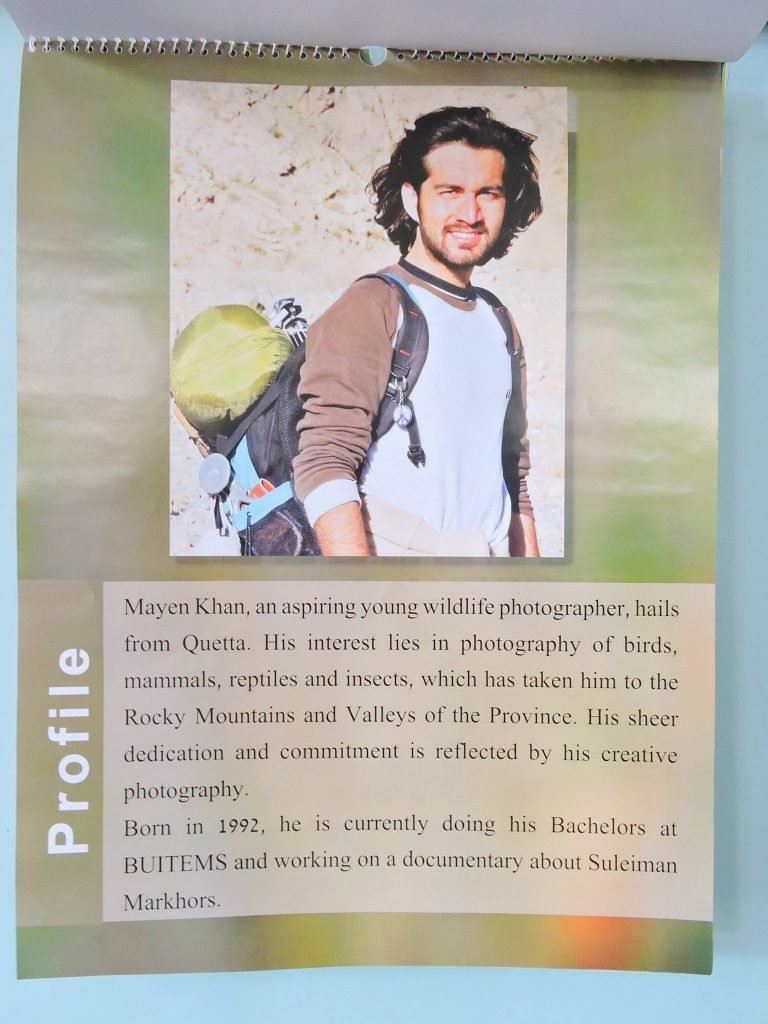
- 2016 Wildlife Calendar Project: Collaborated with BUITEMS to publish and distribute a flagship academic calendar highlighting native Balochistan species across educational institutions nationwide.
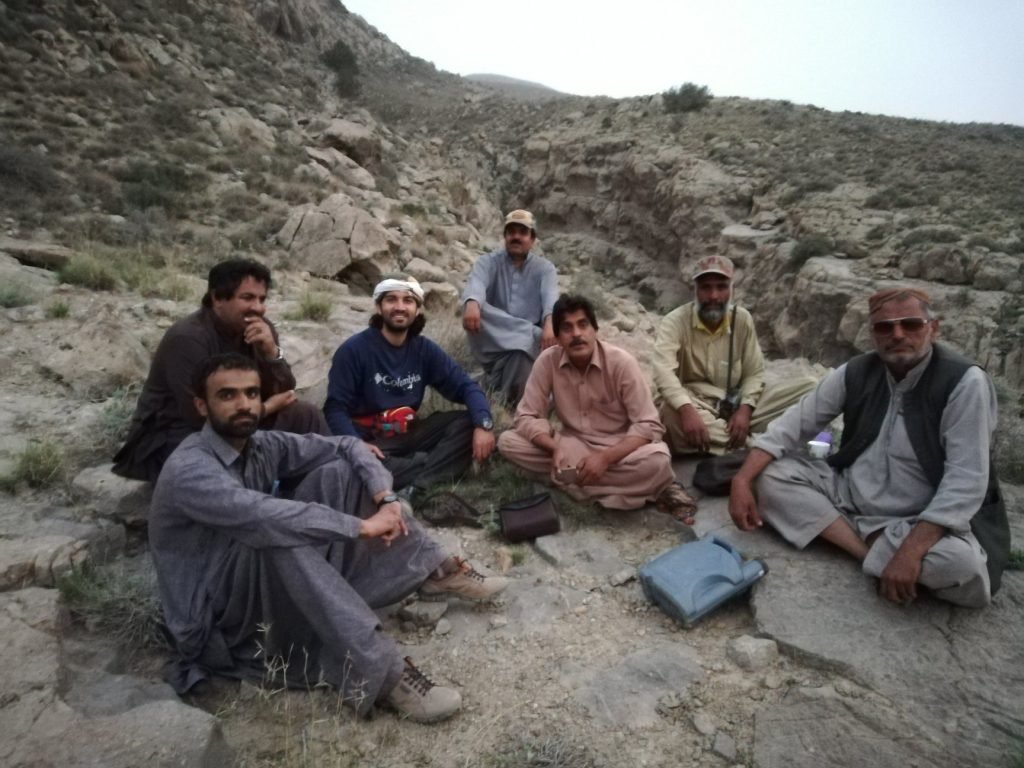
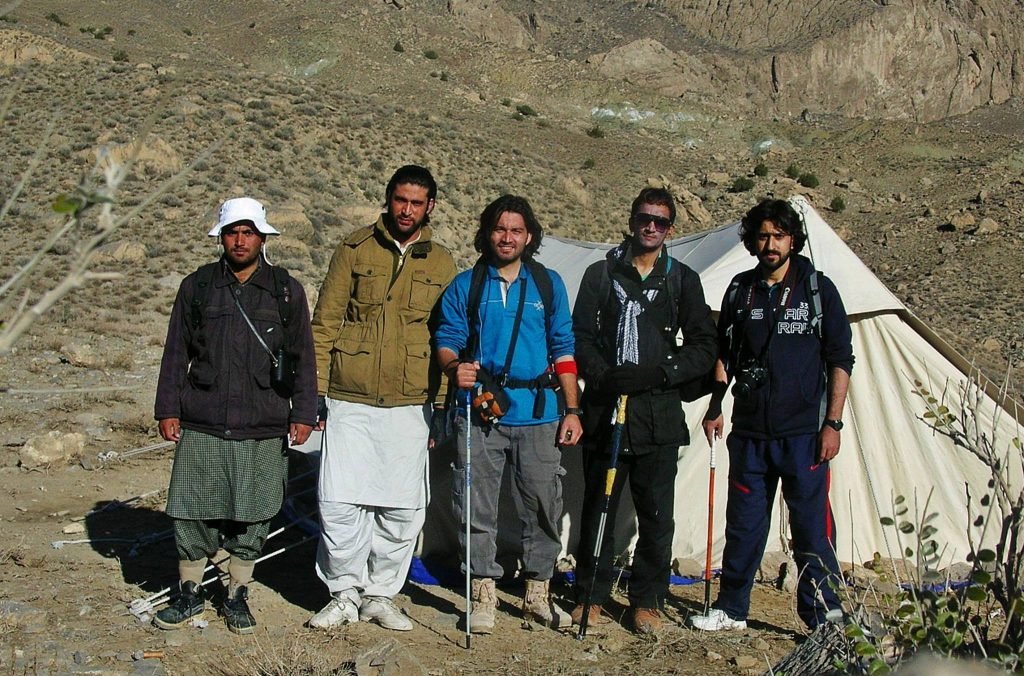
- WWF Field Expeditions: Participated in baseline biological assessments across Ziarat, Mount Takatu, and Hazarganji Chiltan National Park.
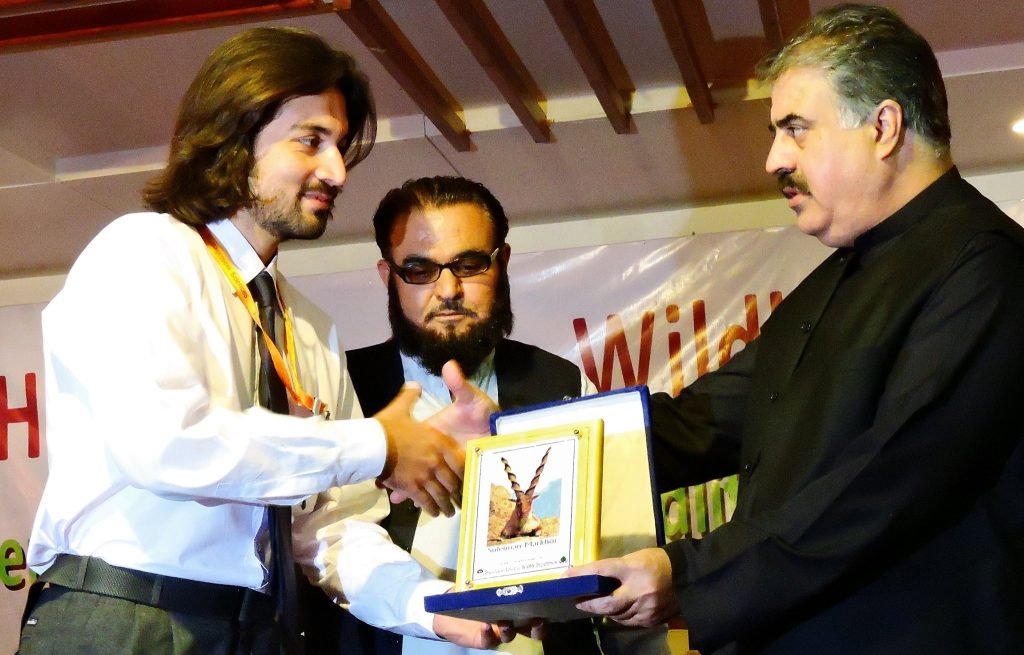
- UN International Mountain Day Award (2020): Secured 1st place in a prestigious documentary contest hosted by the UNDP and the Embassy of Italy, showcasing Balochistan’s hidden wildlife diversity.
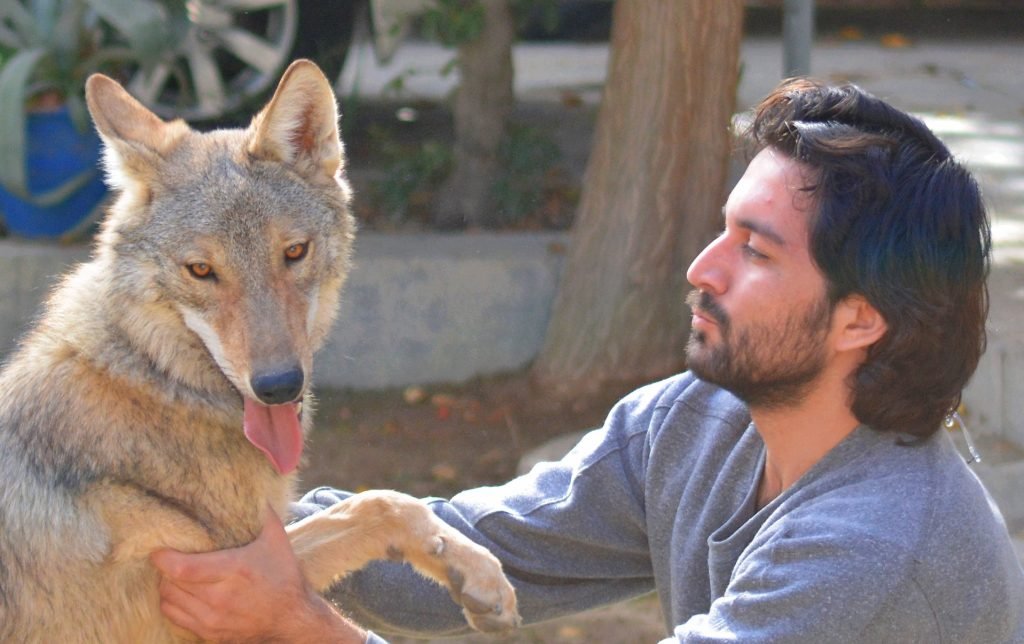
- Wolf Rehabilitation: Rescued, nurtured, and successfully rewilded an orphaned wolf pup back into its native mountain habitat.
Species in Peril: The Vanishing Fauna of Balochistan
Balochistan’s unique ecosystems harbor critically sensitive species, many of which face silent extinction due to habitat degradation and poaching:
- The Sulaiman Markhor & Urial (Gadd): Population surveys on Mount Khalifat in Ziarat confirm that Markhor numbers have severely plummeted compared to historical records from the 1960s and 70s. Similarly, wild sheep species (Urial) have experienced dramatic range contractions.
- Asiatic Cheetah: Historically recorded along the Pakistan-Iran border, its current status in Balochistan is functionally extinct or unknown, though small populations persist in Iran.
- Common Leopard: Continues to survive in isolated pockets such as Hingol, Ziarat, and Mount Takatu, though human-wildlife conflict poses an ongoing threat.
- Balochistan Black Bear: Reported in Khuzdar and Ziarat, yet live photographic evidence remains extraordinarily rare.
- Wolves: Critically endangered by human persecution. Pups are routinely captured for trade or cross-breeding with domestic dogs, while local shepherds frequently use poison-laced carcasses to eliminate packs.
A Framework for Sustainable Conservation
Mayen Khan emphasizes that wildlife preservation in Balochistan cannot rely on government departments alone. Achieving lasting protection requires a cohesive, multi-stakeholder framework:
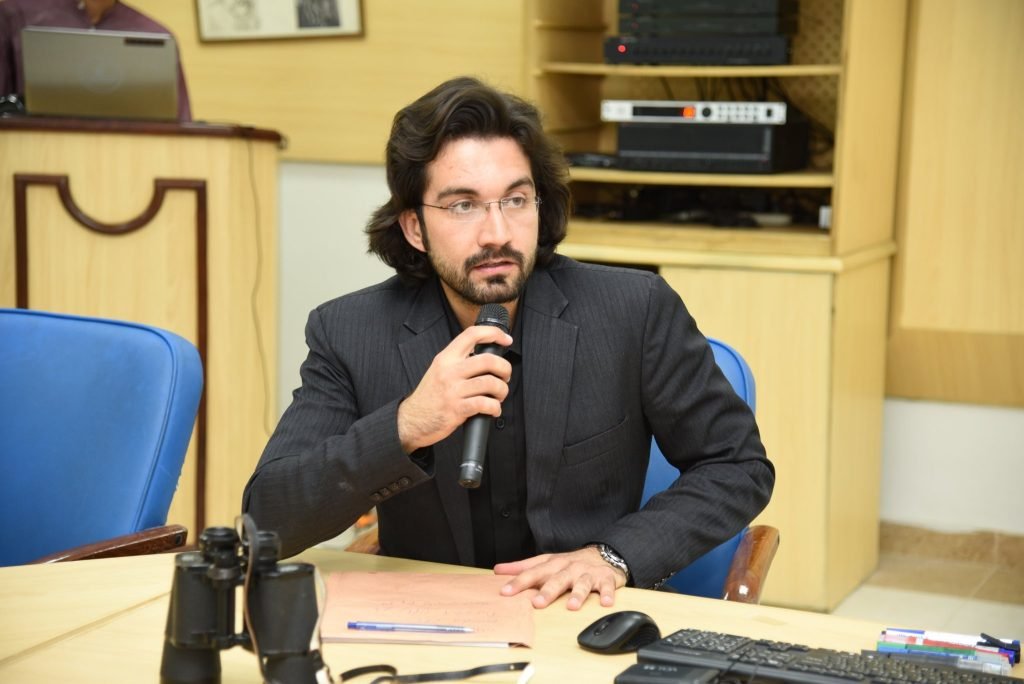
- Grassroots & Youth Engagement: Local communities are the primary stakeholders. Equipping rural youth with cameras and training transforms former hunters into wildlife guardians and citizen reporters.
- Inter-Departmental Collaboration: Effective management demands unified coordination between the Forest & Wildlife Department, Tourism Department, non-governmental bodies (WWF, IUCN), and regional universities.
- Camera Trapping & Ecotourism: Establishing protected areas, deploying camera traps for predator monitoring, and inviting professional international photographers will elevate Balochistan’s global ecotourism profile while safeguarding its remaining wild places.
“The real heroes and stars of Balochistan are not those sitting in front of cameras, but the field wardens, forest guards, rangers, and local villagers who risk their safety daily on rugged mountain cliffs to protect these species.” — Mayen Khan

FEATURED GUEST
Mayen Khan
Environmental Activist & Wildlife Researcher
Balochistan Stars highlights Mayen Khan, a wildlife photographer and activist using visual storytelling and community engagement to protect Balochistan's endangered fauna. Discover how local youth and grassroots initiatives are saving the province's vanishing biodiversity.