
Shah Muhammad Shan
The Golden Legacy of Martial Arts: The Journey of Shah Muhammad Shan
By: Ahmed Jahangeer Khan
“Winners never quit, and quitters never win.”
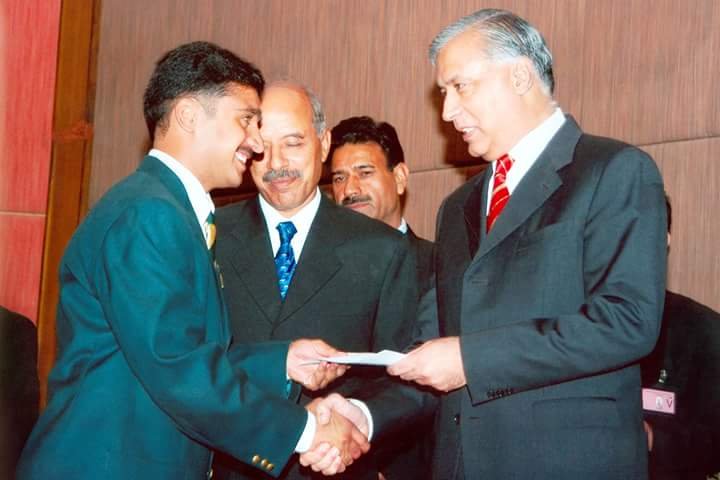
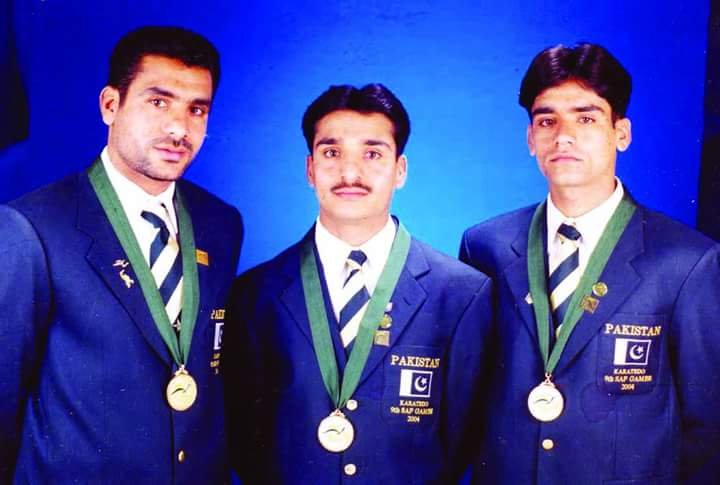
Karate—a martial art born in the Ryukyu Kingdom and refined through centuries of discipline—is far more than a combat sport; it is a testament to human resilience. In the sports history of Pakistan, few names resonate as strongly in this arena as Shah Muhammad Shan. Hailing from the culturally rich district of Mastung, Balochistan, Shan is not merely an elite martial artist; he is a central pillar of Pakistan’s famed “Three Golden Brothers”—a moniker officially bestowed upon them by the President of Pakistan after all three siblings secured Gold Medals for the nation in the South Asian Games.
Accidental Beginnings: From Park Practice to the Dojo
Long before he dominated national rings, Shan dreamed of becoming a footballer or a boxer. Fate, however, had a different trajectory in store.
His journey began informally in a local park, where his elder brother—an accomplished martial artist—started training Shan and his younger brother in basic Karate routines. What began as casual practice soon evolved into a deep-seated passion. Recognizing his natural agility, Shan formally enrolled at the Marlos Dragon Martial Art Club in 1993, training under the expert guidance of Dr. Khalid Hafeez Mughal.


An Era of Dominance: The Unbeatable Champ
Shan’s rise through the ranks was nothing short of meteoric:
- Initial Breakthrough (1993): Just 14 days after starting formal training, he secured a Silver Medal in his debut tournament, earning an immediate selection for the Balochistan Karate Team.
- Unbroken Streak (1994–2000): Shan maintained an extraordinary unbeaten record in regional and national circuits for six consecutive years.
- National Recognition (2000): Capped his winning streak by securing the Silver Medal at the All-Pakistan National Games.
Choosing Strategy Over Status: Shaping the Future of Karate
By 1999, Shan’s stellar performances attracted lucrative offers from elite institutional sports teams, including the Pakistan Army, Air Force, and Police. However, driven by a long-term vision to mentor future talent, he accepted a proposal from the Secretary of the Pakistan Karate Federation to join the Water and Power Development Authority (WAPDA), officially stepping into coaching in 2010.
Today, Shah Muhammad Shan holds prominent leadership and technical roles across national sports bodies:
- Joint Secretary, Balochistan Karate Association
- Head Coach, WAPDA Karate Team
- Head Coach, LESCO Karate Team
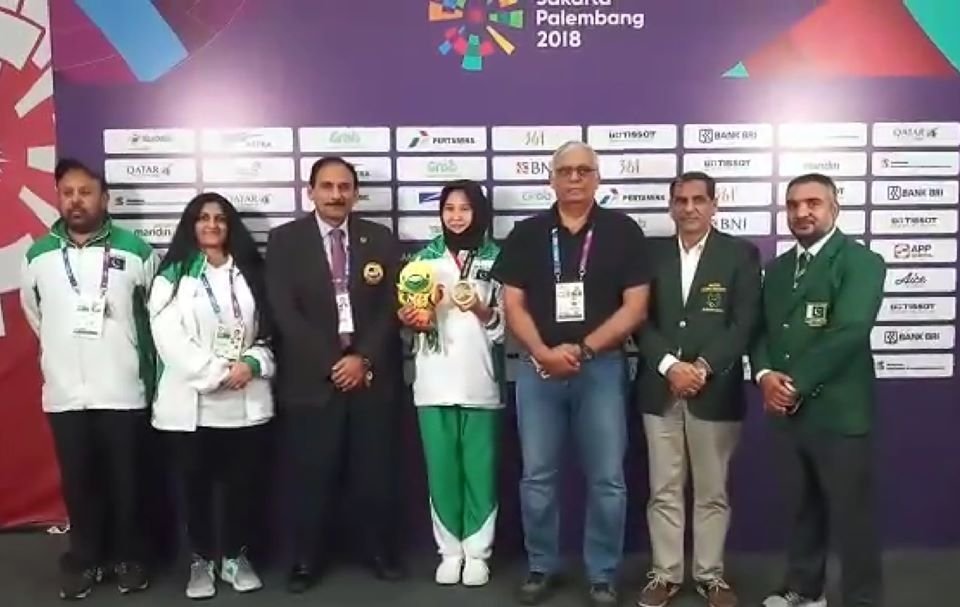
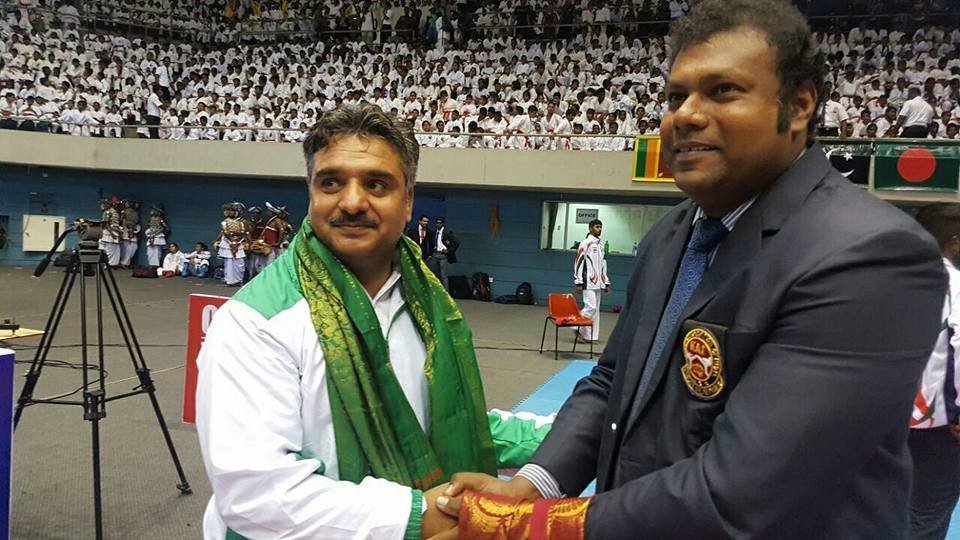
Having represented Pakistan on international stages across Iran (5 times), Sri Lanka, and the United Arab Emirates, Shan continues to draw technical inspiration from his ideals—legendary Iranian coach Ahmed Safi and master martial artist Farman Ahmed.
Vision for the Future and Life Beyond the Tatami
Beyond the arena, Shan is a man of intellectual depth. An avid player of Chess, he also possesses a deep affection for Brahvi literature and poetry, finding balance between the intensity of martial arts and the subtle elegance of verse.
Looking ahead, Shan’s ultimate ambition is to revolutionize national combat sports by launching a professional Pakistan Karate League (PKL)—a franchise-based platform modeled after global sports leagues like the PSL and IPL to give young Pakistani athletes world-class exposure.
His message to the next generation of athletes remains simple yet absolute:
“Success is reserved for those who refuse to surrender. Train hard, stay disciplined, and remember that quitters never win.”
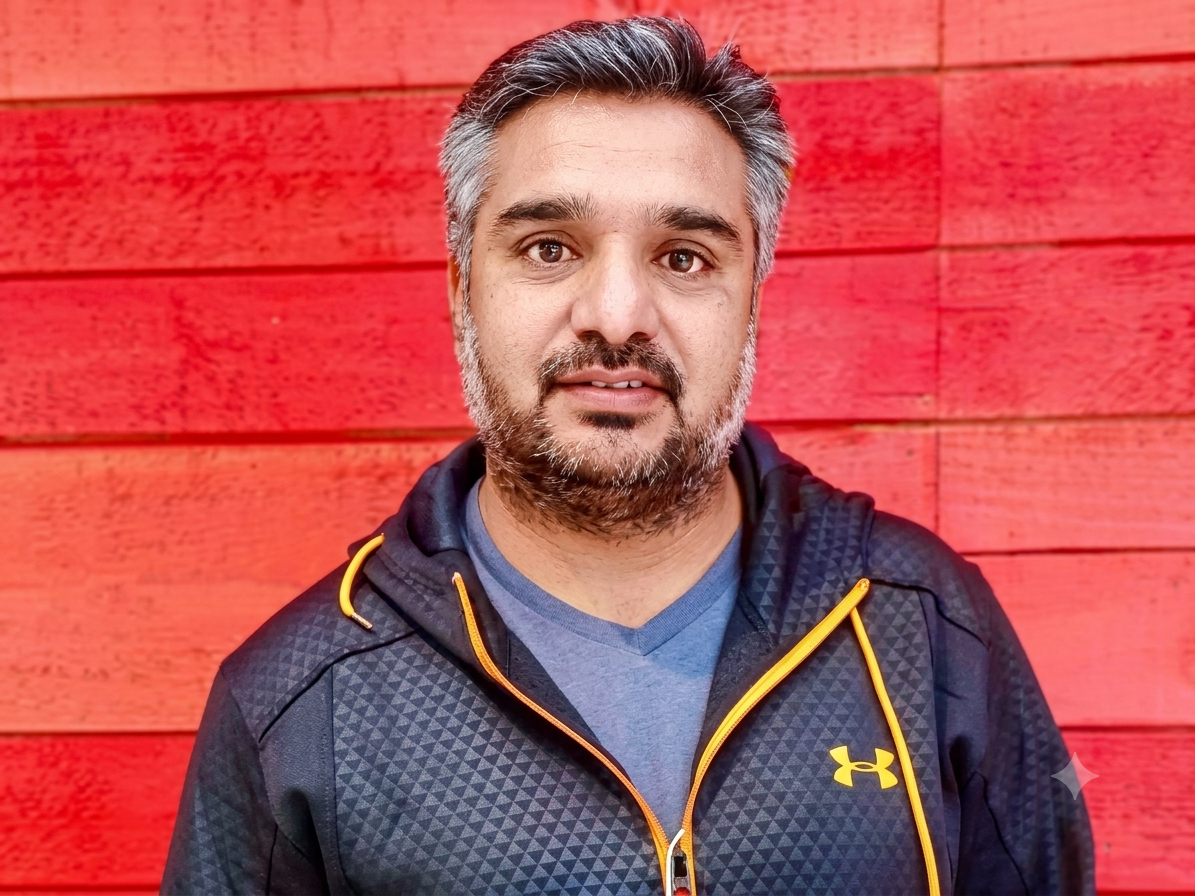
FEATURED GUEST
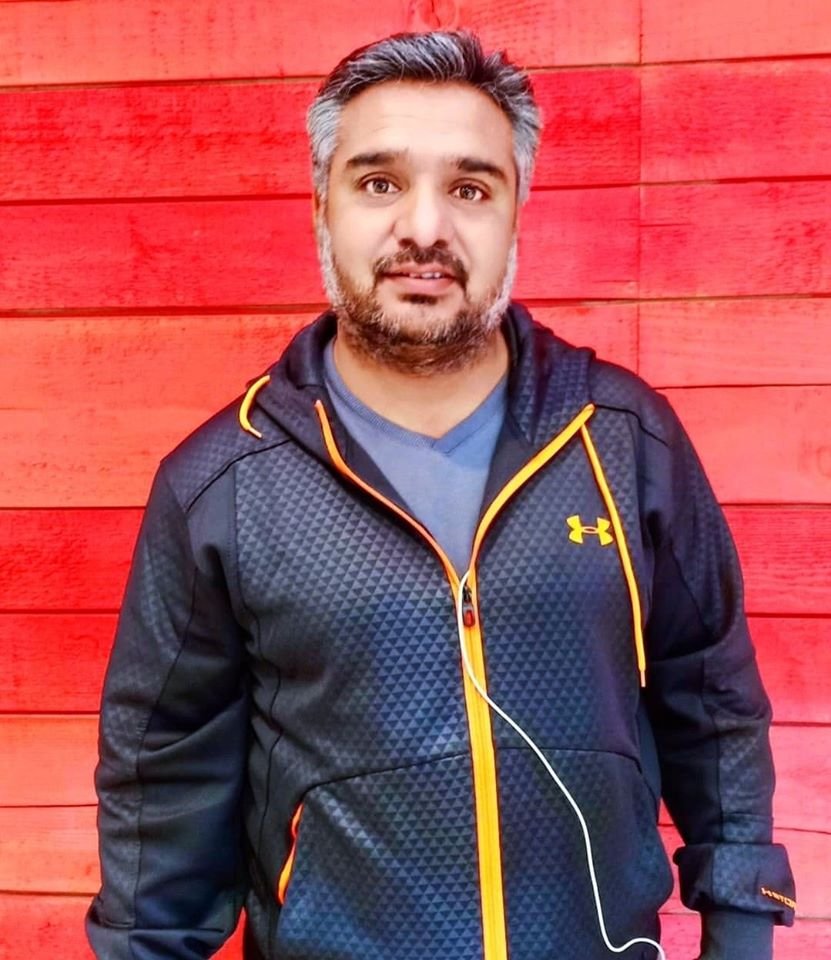
Shah Muhammad Shan
Head Coach, WAPDA & LESCO Karate Teams
Explore the biography of Shah Muhammad Shan, Joint Secretary of Balochistan Karate Association and WAPDA Coach. Learn about his historic legacy, international career, and vision for the Pakistan Karate League