
The Architecture of Accountability: Inside the Vision of Asfandiyar Kakar
A profound exploration into administrative excellence, the mechanics of modern urban planning, and bridging the structural chasm between academia and market realities.
In an era defined by rapid sociopolitical evolution, institutional effectiveness is seldom an accident of history. Rather, it is the deliberate outcome of rigorous intellectual grounding, diverse administrative exposure, and an unwavering moral compass. Few figures embody this ethos within the administrative landscape of Balochistan quite like Asfandiyar Kakar, Secretary of Environment and Climate Change. In an exhaustive and reflective dialogue, Kakar unpacks the structural realities of public service, offering a masterclass in governance, urban regeneration, and youth empowerment.
The Intellectual Genesis of a Public Servant
True leadership often finds its roots in formative choices and multidisciplinary preparation. Kakar’s academic credentials reflect a rare synthesis of disciplines: a Master’s degree in Education Management from King’s College London, a Master’s in Political Science, and a Bachelor of Laws (LLB) from Punjab University. Though initially presented with conventional pathways in engineering, a deeper, more compelling drive toward systemic public impact redirected his career trajectory toward the civil service.
His administrative portfolio spans a diverse spectrum of challenges. From serving on the frontline as Assistant Commissioner and Deputy Commissioner to executing specialized responsibilities within the Punjab government’s health and labor sectors, Kakar has engaged with governance at every tier. Notably, his tenure as Program Director for the World Bank initiative in Awaran—which successfully rehabilitated approximately one thousand schools—stands as a monument to what targeted administrative execution can achieve when paired with social vision.
“Life presents continuous challenges, and no profession is without its hurdles. However, with consistency, hard work, and clean intent, we navigate these responsibilities to serve the public effectively.”
— Asfandiyar Kakar


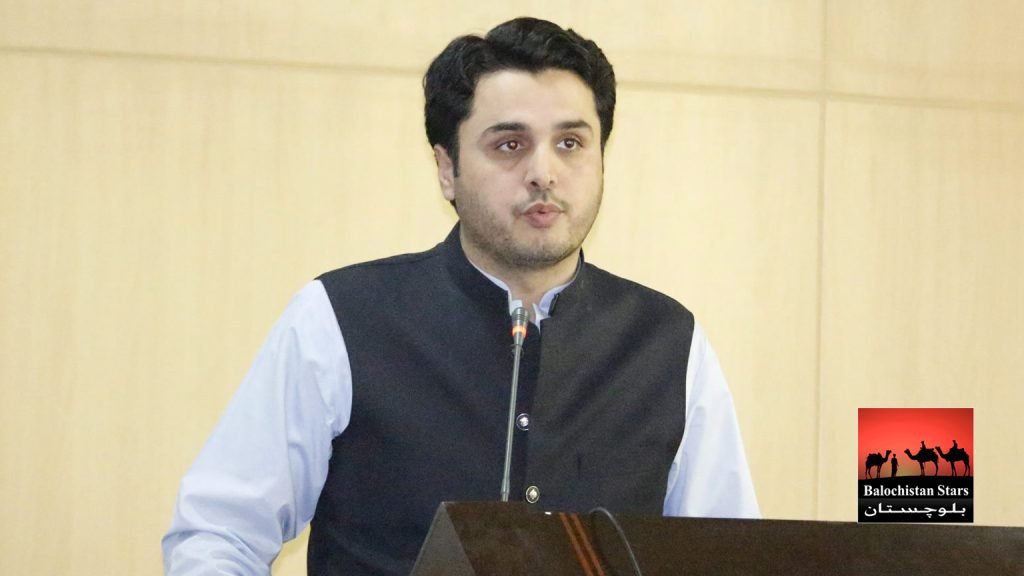
Master Planning: Rethinking the Urban DNA of Quetta
Among the most pressing issues confronting the province is the haphazard expansion of its capital. Quetta, originally designed during an era of modest demographic footprints, now strains under the weight of exponential population growth. Kakar argues forcefully that sustainable urban development cannot occur organically without rigorous, forward-looking master planning. Drawing comparisons with planned capitals like Islamabad, he emphasizes that zoning laws—clearly demarcating industrial, commercial, residential, and ecological spaces—are non-negotiable prerequisites for a modern city.
Equally critical is the overhaul of institutional mechanics. Kakar advocates for an integrated governance model—akin to a centralized commissionerate system under a unified roof—where district administration, municipal corporations, and environmental agencies operate in synchronized harmony rather than administrative silos. Without dismantling bureaucratic fragmentation, urban renewal remains an elusive ideal.
Bridging the Chasm: Academia, Industry, and Youth
Perhaps the most poignant segment of Kakar’s discourse addresses the structural disconnect between higher education institutions and economic realities. He cautions against the mass production of generic degrees detached from empirical labor market demands. A thriving economy requires synchronized forecasting: determining the precise number and specialization of engineers, technologists, and agricultural specialists needed, and tailoring academic curricula accordingly.
Furthermore, youth empowerment must transcend tokenism. True empowerment is built on two pillars: robust human capital development and the proliferation of Small and Medium Enterprises (SMEs). By channeling energy into vocational literacy, digital competence, and constructive civic engagement, the state can transform its demographic bulge from a potential vulnerability into its greatest economic asset.
An Optimistic Horizon
Concluding with a message directed at the ambitious youth of Balochistan, Kakar maintains an outlook anchored in stubborn optimism. While systemic imperfections are undeniable, progressive institutional reforms, civic participation, and unyielding dedication are steadily steering the region toward a brighter future. For Balochistan Stars, documenting such intellectual capital is not merely a journalistic duty—it is a celebration of the minds shaping a resilient tomorrow.
Published by Balochistan Stars •
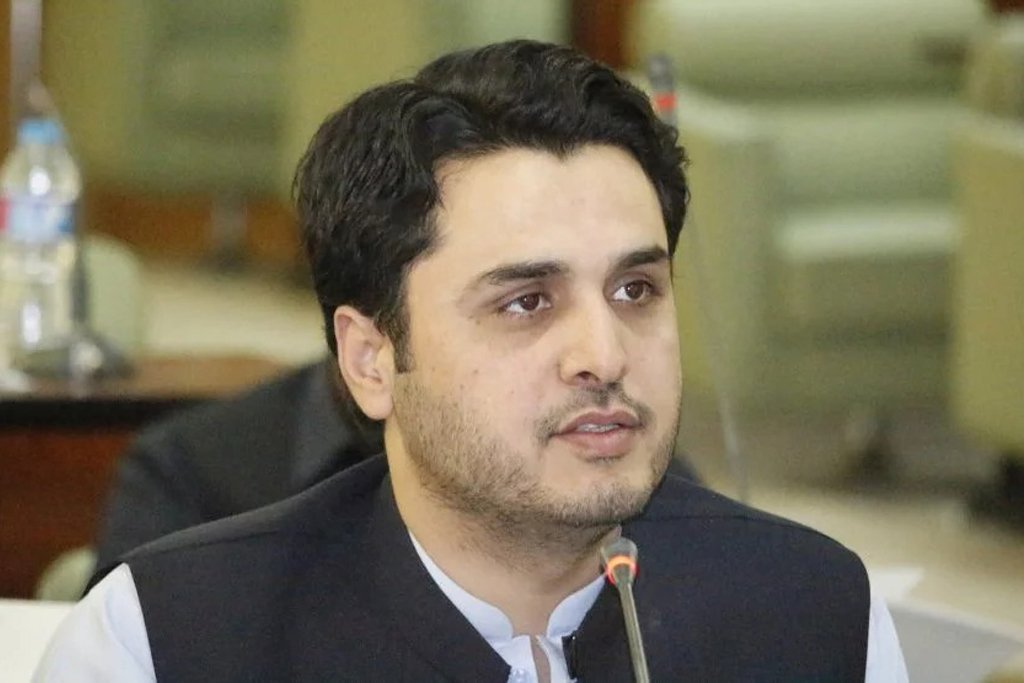
FEATURED GUEST
Asfandyar Khan Kakar
Secretary Government of Balochistan
Balochistan Stars' article is based on an in-depth reformative and administrative interview with Asfandiyar Kakar, highlighting Quetta's urban planning, governance, and youth empowerment