
Zobaida Jalal: The Vanguard of Education and Social Reform in Balochistan
By Kamran Khan
In the quiet, rugged terrain of Mand—a remote village in Balochistan’s Kech District—a quiet revolution was born in 1982. At a time when traditional norms kept women strictly confined to their homes, Mir Haji Jalal Khan Rind took a defiant step forward by establishing the region’s very first girls’ school. Standing firmly beside him was his daughter, Zobaida Jalal.
Together with her sisters, Zobaida took on the responsibility of teaching every subject herself. Over the next decade, that singular room of hope grew to educate over 500 young girls. Today, that small initiative stands as a thriving Higher Secondary School, having equipped generations of Baloch women to break barriers and step into professional fields across the globe.
Zobaida’s grassroots dedication naturally paved the way for her political journey. In 1999, she was appointed Federal Minister for Education. Rather than relying on nominated power, she chose to test her mandate at the ballot box in 2002—making history as the first Baloch woman ever to win a National Assembly seat in general elections. Continuing her tenure as Education Minister until 2004, she spearheaded a sector-wide reform that reshaped Pakistani education from Early Childhood learning to knowledge-based higher studies. Her visionary policies integrated modern mainstream subjects into religious seminaries and modernized the national curriculum to prioritize inclusivity and female literacy.
Her leadership was equally transformative beyond the classroom. Serving briefly as the Federal Minister for Women Development from 1999 to 2000, she achieved a monumental legal breakthrough by declaring honor killings as murder within the Pakistan Penal Code. During this same period, she established the nation’s first permanent National Commission on the Status of Women, embedding structural support for female empowerment into the state mechanism.
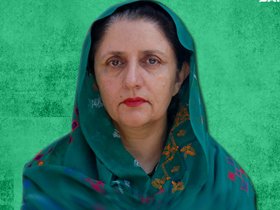
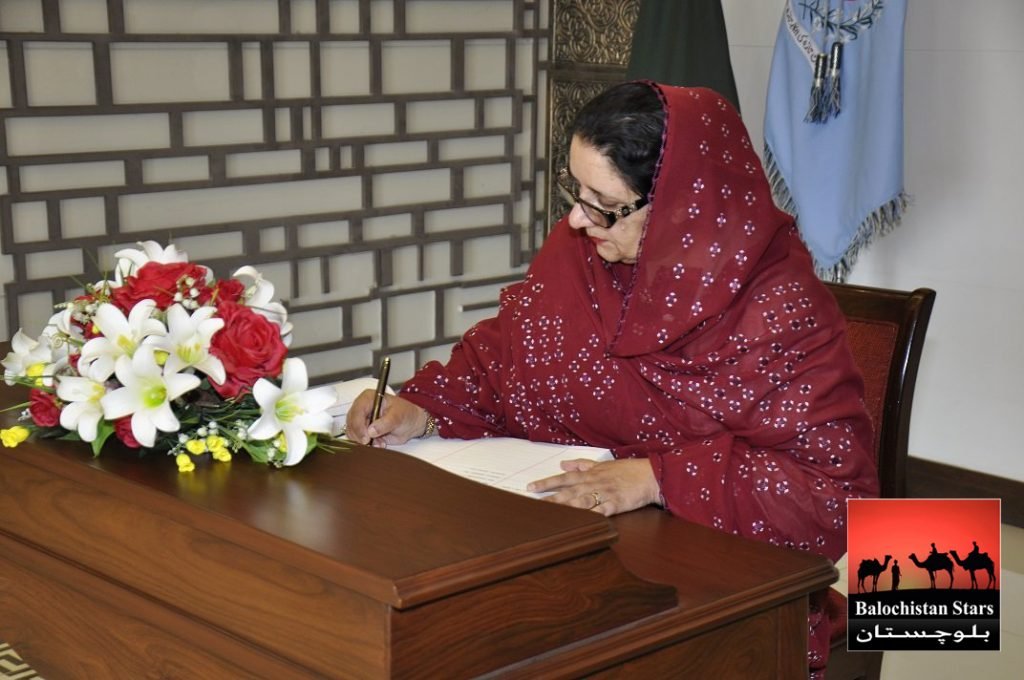
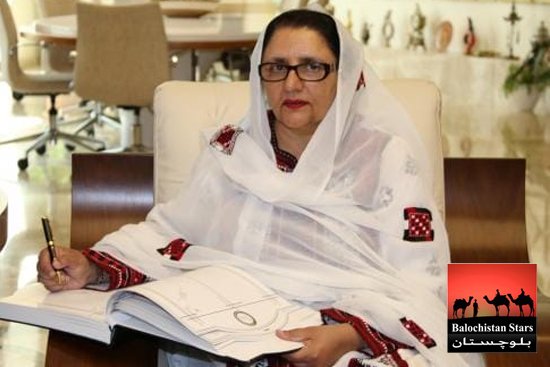
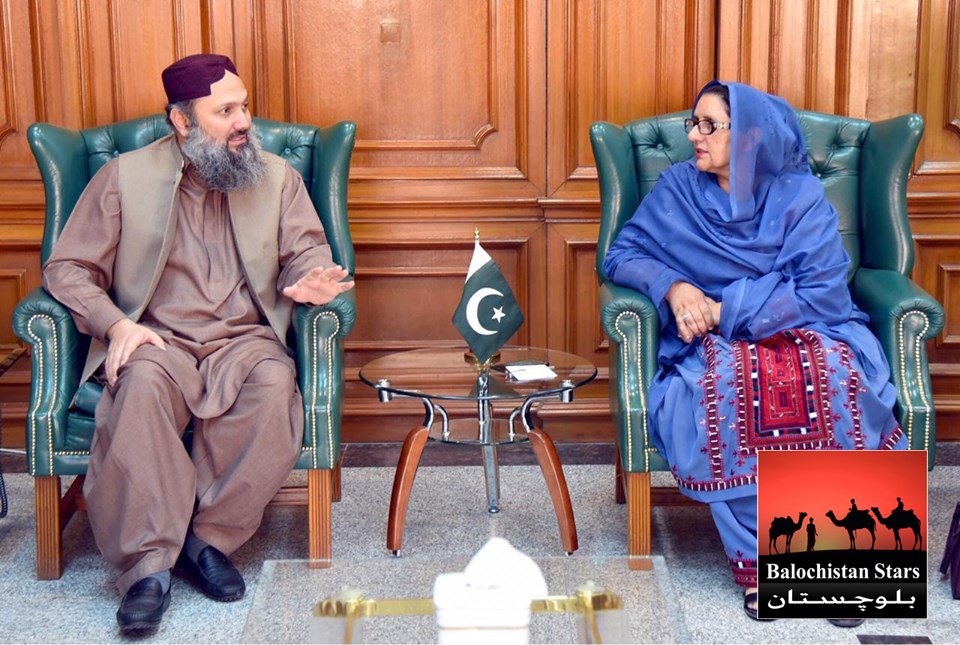

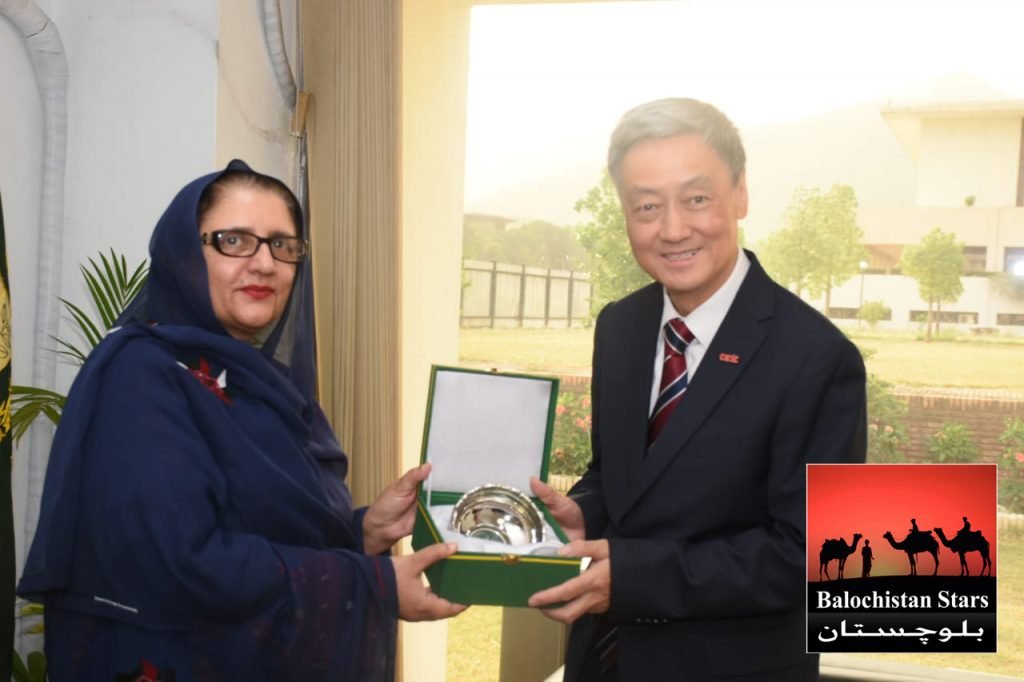
For Zobaida Jalal, education and women’s empowerment are not merely social goals—they are the ultimate defense against extremism and the key to Pakistan’s global progress. Her lifelong contributions have been officially recognized with the prestigious Pride of Performance Award by the President of Pakistan. Beyond governance, her research papers on Baloch embroidery and poverty alleviation highlight her deep connection to her cultural heritage.
Through her tenure as a Member of the National Assembly and her roles in federal governance, including Defense Production, Zobaida Jalal remains an enduring symbol of resilience—a leader whose legacy continues to light the path toward a peaceful, enlightened, and empowered Balochistan.
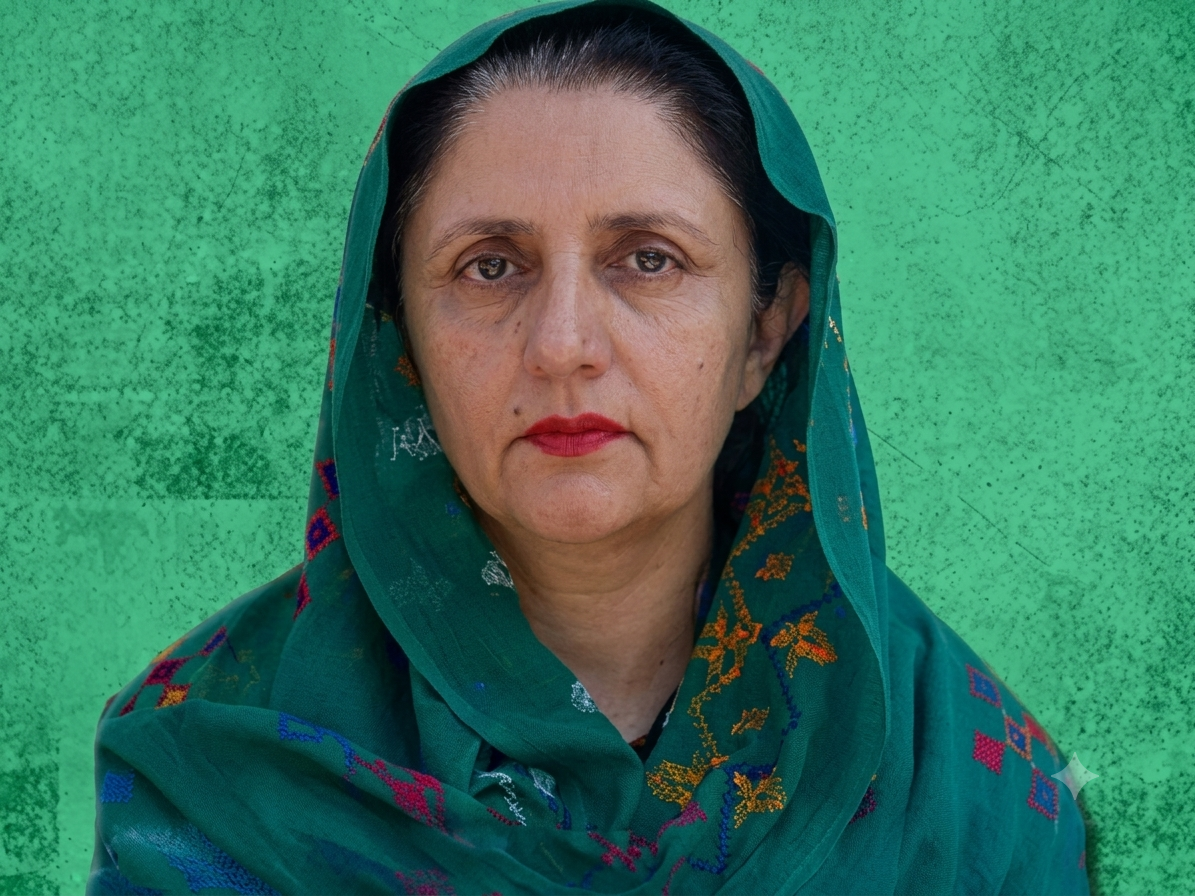
FEATURED GUEST
Zobaida Jalal Khan
Zobaida Jalal: The Vanguard of Education and Social Reform
Former Federal Minister and Pride of Performance recipient Zobaida Jalal transformed female education in Balochistan and spearheaded landmark reforms for women's empowerment and national literacy. Her legacy reflects a lifelong commitment to eradicating extremism through education and uplifting her region.